


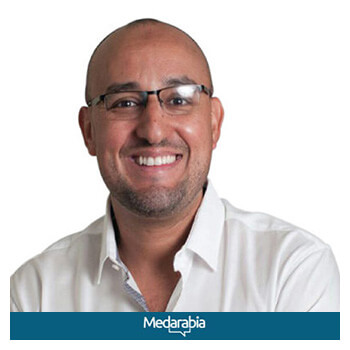
Consulting at Medicentres, Motor City
Although it might seem obvious that dental conditions and materials can influence the entire human system. The potential consequences of these oral conditions are far-ranging. For example, periodontal disease is a risk factor for diabetes, heart disease, respiratory disease, stroke, premature births, and low birth weights. Additionally, oral health problems in children can lead to attention deficits, difficulty in school, and dietary and sleep. Also, oral health problems in older adults can lead to disability and reduction in mobility. These are only a few examples of the known repercussions of impaired oral health on overall health. Oral health conditions can
Book an appointment for free
Book Appointment
Leave a review
How likely are you to recommend Dr. Rachid Najim?
Share Your Review
Please do not post:
- Aggressive or discriminatory language
- Profanities (of any kind)
- Trade secrets or confidential information
Thank you once again for doing your part to keep Medarabia the most trusted medical source.
Community Reviews (1)
Similar Providers

Dr. Usha Kiran Talakere
Gynecologist
Prime Hospital - Casablanc Street, Next to Le…
Dr. Tarek Sultan
Pain Management Physician
Block A, room 203, Ibn Sina, Building 27,…

Dr. Sadir Alrawi
Oncologist
Dubai, UAE
Dr. Abhishek Parashar
Orthodontist
Unit 109, Al Hana Center, Mankhool Road, Dubai…

Dr. Sami Yones
Dermatologist
19th Street Oud Metha
Dr. Syed Hasnain Haider-Shah
Interventional Radiologist
Block A, room 203, Ibn Sina, Building 27,…
Dr. Roy Thomas
Oral Surgeon
Unit 109, Al Hana Center, Mankhool Road, Dubai…

Zita Chriszto
Psychologist
Dubai, UAE
Dr. Maen Al Khateeb
Dental Surgeon
Villa 3 Jumeirah 3, Jumeirah Beach Road
Dr. Wael Berro
Family Physician
Building 62 Dubai Healthcare City - 26th St…

 X
X Instagram
I have a real phobia about going to the dentist which is from some traumatic dental experiences as a child. I try to avoid going unless it is absolutely necessary. And 14 years ago when I arrived in Dubai I chipped one of my teeth and luckily I found Dr Rachid . He has shown me so much kindness and compassion in relation to my dental phobia. He is very gentle when he is doing any procedures and he really cares about you as a person not just as a patient. I highly recommend him to anyone who is looking for an amazing dentist! Thank you for your care and kindness Dr Rachid.?
By Veronica Jones (May, 2024) |